Skip to content Skip to side menu

Blog

The Role of OEM in Product Distribution

It is important for businesses to understand the role of Original Equipment Manufacturers (OEMs) in product distribution. This helps them manage today's complicated supply chains.


OEMs play a key role in making and distributing products. They ensure that products reach customers in a cost-effective and efficient manner.

Their influence spans design, manufacturing, cost management, and supply chain efficiency.

What is OEM?

To grasp the significance of OEMs, we must first understand what an OEM is. The term "OEM" stands for Original Equipment Manufacturer. This refers to a company that produces parts and equipment that may be marketed by another manufacturer. OEMs are fundamental to the production ecosystem, often operating behind the scenes to provide essential components.

The Definition of OEM

An OEM makes parts that other companies use in their final products.


If you buy a computer from a popular brand, the processor inside may come from a different company that makes it for them.


This relationship helps OEMs focus on improving the design and making specific parts. This makes the final product better.

In the automotive industry, for instance, OEMs might be tasked with creating everything from engines to electronic systems. This specialization enables them to innovate and refine their products continuously. By focusing on their niche, OEMs can also leverage technological advancements to enhance their components' performance and efficiency.

OEM Parts

OEM parts are components made by the original manufacturer of a part for a vehicle or piece of equipment.

These parts are made to match the original parts they replace, so they work well and are dependable.


Many companies choose OEM parts. They provide reliable quality and accuracy. This helps keep their products at a high standard.

Using OEM parts can make your product last longer. These parts are made to fit well with the original products.

This not only ensures performance but also minimizes the risk of malfunctions.

Ensuring quality and fit, OEM parts are essential for maintaining a product’s integrity and performance.

OEM parts also play a crucial role in aftermarket services, where genuine parts are necessary for repairs and maintenance.

OEM parts help keep products working well long after they are first sold. This gives customers confidence and trust.

The Role of OEMs in Product Distribution

OEMs are very important in making and distributing products. They affect the costs, quality, and how easily the final product can be found.

Their strategic importance is evident in how they influence market competitiveness and operational efficiency.

Manufacturing Excellence

OEMs are good at making high-quality parts in large amounts. They focus on making specific components instead of whole products. This lets them specialize and keep high quality and efficiency.

By concentrating on their expertise, they can use new technologies and methods to improve production.

OEMs often lead in new manufacturing techniques through continuous improvement and innovation. Their commitment to quality helps them meet strict industry standards. They can also quickly adjust to changes in demand or technology.

Additionally, OEMs create unique technologies and processes that make them different from their competitors. These new ideas not only improve product quality but also add features that increase the value of the final product.

Cost Efficiency

By outsourcing some production to OEMs, companies can save money. OEMs can make parts cheaper because they produce many items at once. This is a big benefit for businesses that want to earn more money.

The savings go beyond just production costs. By using OEMs, companies do not need to spend as much on machines and factories for making products.

This allows businesses to use their money in smarter ways. They can focus on things like research, new products, and expanding their market.

Working with OEMs also helps companies manage their budgets better.


Fixed costs for parts are easier to predict and manage. This helps with financial planning and managing risks.

Streamlined Supply Chains

OEMs help make the supply chain simpler. This lets companies focus on what they do best. By using OEMs for certain parts, companies can put more effort into developing products, marketing, and selling. This teamwork makes businesses faster and more flexible.

Having a simpler supply chain means companies can launch new products faster. By making production easier, OEMs help bring new ideas to customers quickly. This speed is important in fast-moving markets.

Also, working with OEMs can help with managing inventory. When companies get parts regularly, they can keep just the right amount of stock. This way, they avoid running out or having too much.

This efficiency leads to better service and happier customers.

Advantages of Using OEM Parts

Using OEM parts in product distribution offers several advantages, including quality assurance, compatibility, and warranty support. These benefits are instrumental in maintaining the integrity and reputation of a brand.

Quality Assurance

OEM parts are made to meet the original manufacturer's standards. This ensures they are high quality and reliable.

Using these parts reduces the chance of failure and makes customers happier.

The OEM's commitment to these standards shows their dedication to quality.

High-quality OEM parts go through careful testing and quality checks.

This testing ensures each part works well in different conditions. It gives confidence to both manufacturers and customers.

The reliability of OEM parts helps build trust and loyalty with customers.

Using OEM parts can also make a product last longer, which means fewer replacements or repairs. This durability is good for users and helps improve the brand's reputation for quality.

Compatibility

OEM parts are made to fit and work well with the final product. This fit helps the product work as it should, lowering repair costs. These parts are made with precision, which is key for the product's safety and performance.

Using OEM parts helps avoid any problems when the product is in use.

In complex systems, it is important to have the right balance of parts for accuracy.

By ensuring these parts fit well, OEMs help the product work correctly and provide a good experience for users.

Also, compatibility is not just about physical fitting. OEM parts work well with the software and technology in the product, making it perform at its best. This complete approach helps the product succeed in the market.

Warranty Support

One good reason to use OEM parts is that they come with a warranty. These parts are made to match the original design, so they usually have warranty coverage for defects and problems. This warranty gives extra security to both manufacturers and buyers.

Having a warranty can affect how people decide to buy. Buyers tend to trust products that are backed by a strong warranty. This reassurance can help a product stand out in a crowded market, giving buyers a clear reason to choose it.

Also, warranty support can help manufacturers save money on returns and repairs. When replacement parts are covered, companies can handle after-sales service better. This can improve customer satisfaction and loyalty.

Read more →

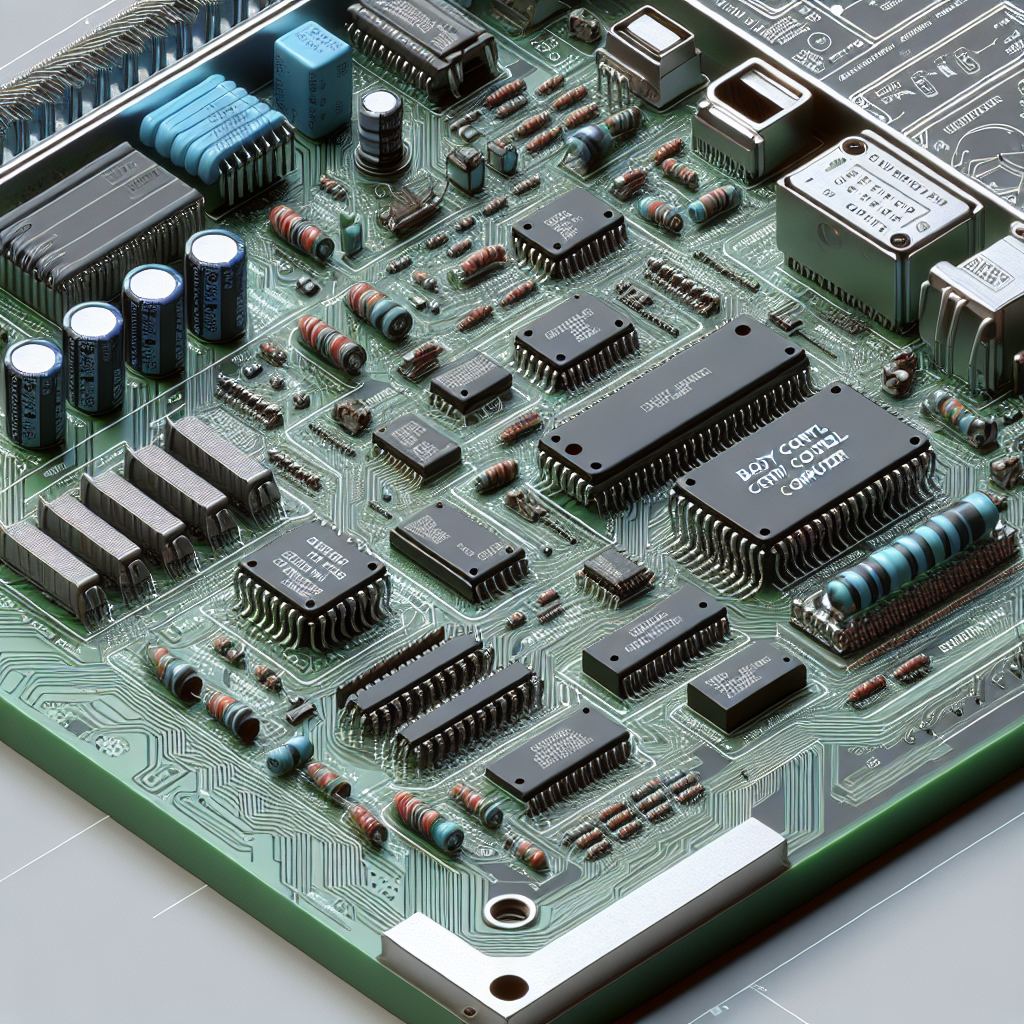
Steps to Replace Your Body Control Module

Steps to Replace Your Body Control Module

Replacing a body control module (BCM) in your vehicle can seem like a daunting task, but with the right guidance, you can handle it like a pro.

The BCM plays an essential role in controlling many electronic parts of your car, and understanding when and how to replace it can help you save both time and money.

This guide will walk you through the process step by step.

Understanding the Body Control Module

The body control module is an essential part of your vehicle's electrical system. It controls power windows, door locks, interior lights, and other systems. When the BCM malfunctions, you might notice irregularities such as lights not working, doors not locking, or other electronic failures. Recognizing these signs can help you decide if replacing the BCM is necessary.

Tools and Preparations

Before you begin, gather the necessary tools: a wrench set, screwdriver, and possibly a multimeter for testing. Additionally, ensure you have a replacement BCM that matches your vehicle's specifications. Disconnect the battery to prevent any electrical shorts during the process. Safety is paramount, so keep your workspace organized and well-lit.

Step-by-Step Replacement Process

Step 1: Locate the BCM

The body control module is typically found under the dashboard or behind the glove compartment. Refer to your vehicle's manual for the exact location, as it can vary depending on the make and model.

Step 2: Remove the Old BCM

Carefully detach the connectors from the BCM. These connectors might have locking tabs, so press them gently to release. Use a screwdriver to unfasten any screws or bolts securing the module in place. Once loose, carefully remove the BCM from its housing.

Step 3: Install the New BCM

Position the new body control module in the same orientation as the old one. Secure it with screws or bolts, ensuring it is tightly fastened. Reconnect the wiring connectors, making sure they click into place securely. Double-check all connections to avoid any electrical issues.

Step 4: Reconnect the Battery

Once the new BCM is installed, reconnect the vehicle's battery. This step is crucial to restore power to the electrical systems controlled by the BCM.

Testing the New BCM

After installation, test the functions managed by the BCM, such as lights, locks, and windows, to ensure everything operates smoothly. If any issues persist, consult a professional mechanic for further diagnosis.

Conclusion

Replacing the body control module is a task that requires attention to detail and patience. By following these steps, you can successfully replace the BCM and restore your vehicle's electronic functions. If you're ever unsure during the process, it's advisable to seek professional assistance to ensure your vehicle's safety and functionality.

Remember, a properly functioning BCM is crucial for the seamless operation of your vehicle's electronic systems. Don't hesitate to replace a faulty module to keep your vehicle in top condition.

Read more →

Cost Factors in Engine Control Module Repair

Cost Factors in Engine Control Module Repair

Cost Factors in Engine Control Module Repair

When dealing with car repairs, engine control module (ECM) repair is something that can often catch vehicle owners by surprise. The ECM, also known as the engine control unit (ECU), is a vital component of a car's electronic system.

It manages important tasks like fuel injection, ignition timing, and controlling emissions. This is important for the vehicle's performance and efficiency.

Understanding the cost factors involved in ECM repair can help you make informed decisions and avoid unnecessary expenses.

What is an Engine Control Module (ECM)?

Before diving into the cost factors, it's essential to understand what an ECM does. The ECM acts as the brain of your vehicle. It processes information from various sensors and makes real-time adjustments to the engine's functions to ensure optimal performance. Without a functioning ECM, a vehicle might experience issues like poor fuel economy, engine misfires, or even fail to start.

Signs of a Faulty ECM

Recognizing the symptoms of a faulty ECM can help you address issues before they escalate. Here are some common signs:

  • Check Engine Light: One of the most apparent indicators is the illumination of the check engine light on your dashboard.
  • Poor Performance: If your car is struggling with acceleration or stalling unexpectedly, it could be due to ECM problems.
  • Inconsistent Fuel Economy: A sudden drop in fuel efficiency can be linked to ECM issues.
  • Starting Problems: Difficulty starting the vehicle might also suggest an ECM malfunction.

Factors Influencing ECM Repair Costs

The cost of repairing an ECM can vary significantly based on several factors. Here's a breakdown of what you can expect:

Diagnostic Fees

Before any repair can be performed, a thorough diagnostic is necessary to pinpoint the exact issue with the ECM. This process involves using specialized equipment to scan the vehicle's systems and interpret error codes. Diagnostic fees can range from $50 to $150, depending on the service provider.

Type of Vehicle

The make and model of your vehicle can greatly influence the cost of ECM repair. Luxury or high-performance vehicles often have more complex ECM systems, which can increase repair costs. On average, ECM repair for standard vehicles ranges from $300 to $1,500, while luxury models can surpass this range.

Extent of Damage

The severity of the ECM damage is a crucial factor in determining repair costs. Minor issues such as software glitches or sensor misalignments might only require a simple reset or reprogramming. However, if the ECM hardware is damaged, it might necessitate a complete replacement, significantly increasing the cost.

Repair vs. Replacement

In some cases, repairing the existing ECM might be more cost-effective than replacing it entirely. However, if the ECM is beyond repair, replacement becomes the only viable option. New ECM units can range from $400 to $2,000, excluding labor costs.

Labor Costs

Labor costs for ECM repair can vary based on the complexity of the repair and the hourly rates of the service provider. On average, labor costs can range from $100 to $200 per hour. It's essential to choose a reputable mechanic with experience in ECM repairs to ensure quality service.

Tips to Reduce ECM Repair Costs

While ECM repairs can be expensive, there are ways to mitigate these costs:

Regular Maintenance

Routine maintenance can help prevent ECM issues from arising in the first place. Regularly inspecting and cleaning sensors, checking wiring for damage, and ensuring proper grounding can extend the ECM's lifespan.

DIY Diagnostic Tools

Investing in a basic diagnostic tool can save you money on initial diagnostic fees. These tools allow you to read and clear error codes, giving you a better understanding of potential ECM issues before visiting a mechanic.

Consider Used or Refurbished ECMs

If replacement is necessary, consider purchasing a used or refurbished ECM. These options are often more affordable than brand-new units and can be just as reliable if sourced from reputable suppliers.

Warranty and Insurance

Check if your vehicle's warranty or insurance policy covers ECM repairs. Some warranties include electronic component coverage, which can significantly reduce out-of-pocket expenses.

When to Seek Professional Help

Some small ECM problems can be fixed on your own. However, it’s important to know when you need help from a professional.

If you're unsure about the cause of the problem or lack the necessary tools and expertise, it's best to consult a qualified mechanic.

Choosing the Right Repair Shop

Selecting the right repair shop is vital for a successful ECM repair. Look for shops that specialize in electronic diagnostics and have certified technicians experienced in ECM repairs. Reading customer reviews and asking for recommendations can also help you make an informed choice.

Conclusion

Understanding the factors that influence ECM repair costs can help you navigate the repair process more effectively. By recognizing early signs of ECM issues, maintaining your vehicle regularly, and exploring cost-saving options, you can minimize expenses and keep your vehicle running smoothly. Remember, when in doubt, seeking professional help from a reputable repair shop is always the best course of action.

Read more →

Understanding the Role of ECU in BMW: A Complete Guide - ECU Repairs

Understanding the Role of ECU in BMW: A Complete Guide - ECU Repairs

Modern cars are wonders of engineering, packed with high-tech features that boost how they perform, keep you safe, and make driving more comfortable. One key part of these advancements is the Electronic Control Unit (ECU). In BMW cars, the ECU acts as the central command, managing and regulating a wide range of functions.

This guide explains what the ECU does in BMW cars and why it is important for the driving experience.


Understanding the Engine Control Module (ECM)

The Engine Control Module, or ECM, is like the brain of your BMW. It is a smart device that controls how the engine works. The ECM helps your BMW run well and use fuel efficiently.

Functions of the ECM

The ECM handles some key tasks, including:

Fuel Injection Control: The ECM determines how much fuel to inject into the engine cylinders to achieve optimal combustion.

  • Ignition Timing: It manages when the spark plugs fire to ignite the air-fuel mixture at the perfect time.

Air-Fuel Ratio Monitoring checks the mix of air and fuel. This helps keep it balanced for better performance and lower emissions.

Emissions Control: The ECM adjusts settings to make sure the engine follows emission rules.

The ECM checks how the engine is working and saves error codes when there are problems. This helps technicians find and fix issues more easily.

How the ECM Works

The ECM, or Engine Control Module, gathers data from various sensors around the vehicle. These sensors track engine speed, temperature, air pressure, and more in real-time.

The ECM looks at this information.

It changes settings to work better, save fuel, and lower emissions.

Impact of ECM on BMW Performance

The ECM is crucial in shaping the performance traits of your BMW. Here's a look at how it affects different aspects of your vehicle:

Power and Acceleration

The ECM manages engine power by tweaking the air-fuel mix and ignition timing. This optimization ensures your BMW delivers strong power and quick acceleration, making for an

Exciting.

drive.

Fuel Efficiency

Fuel efficiency is another area greatly influenced by the ECM. The ECM helps your BMW use fuel efficiently. It controls fuel injection and combustion to get good gas mileage while keeping performance high.

Emission Control

With strict rules on emissions, the ECM is important for keeping your BMW eco-friendly.

It adjusts engine settings to minimize harmful emissions.

Reliability and Longevity

The ECM also boosts the reliability and lifespan of your BMW. By constantly monitoring engine performance and flagging potential issues, it helps avert major damage and expensive repairs.

BMW Performance Tuning and the ECM

If you want to improve your BMW’s performance, tuning is a great option.

This involves altering the ECM’s software to unlock extra power and refine driving dynamics.

What is BMW Performance Tuning?

Performance tuning means adjusting the engine control module (ECM) to make the engine work better.

This means changing the fuel and spark settings to boost power and torque.

Benefits of Performance Tuning

  • Increased Power: Tuning the ECM can significantly boost power and acceleration.
  • Enhanced Driving Experience: Improved throttle response and torque make your BMW more agile and fun to drive.

Customization: Tuning lets you personalize your BMW’s performance speed, efficiency, or a balance of both.

Considerations for ECM Tuning

While rewarding, performance tuning requires careful consideration. Keep in mind:

  • Warranty and Legal Compliance: Tuning may void your warranty and breach emissions laws. Be aware of these issues.

Professional Tuning Services: Choose skilled BMW tuners for great results and to keep your engine safe.

Potential Risks: Bad tuning can hurt the engine, make it less reliable, and raise emissions.

  • Work with knowledgeable professionals.

Maintenance and Upkeep of Your BMW's ECM

Keeping your ECM in top condition is vital for your BMW’s performance. Here are some tips to maintain it well:

Regular Inspections

Get your BMW inspected by a qualified technician regularly. This can help catch ECM and engine issues early, avoiding costly repairs.

Software Updates

BMW gives software updates often.

These updates make the car work better, fix issues, and keep emissions low.

Stay updated and have them installed by professionals.

Addressing Error Codes

The ECM stores error codes for detected issues. If warning lights appear or you notice performance dips, get your vehicle checked promptly to fix any problems.

Conclusion

The Engine Control Module is key to your BMW's performance, efficiency, and reliability. Knowing how it functions and maintaining it well ensures you get the most from your BMW.

If you want better performance by tuning the ECM, it's important to be careful and talk to experts.

Caring for your ECM and making informed tuning choices lets you enjoy your BMW’s capabilities fully for years.

Read more →

Fixing Common Car Control Module Problems

Control modules are key for how electronic systems work. By knowing common problems and following the steps in this guide, you can keep your control module working well. This applies to the Bosch control module 655329 or any other model. Regular maintenance and prompt attention to issues can prevent costly repairs and keep your systems running smoothly.

Read more →

Signs Your Powertrain Control Module Needs Repair

Signs Your Powertrain Control Module Needs Repair

  1. Warning Lights: If the check engine light is on, it may mean there is a problem.

  2. Poor Performance: If your car is not accelerating well, it could be a sign of trouble.

  3. Unusual Sounds: Listen for strange noises from the engine. This may indicate an issue.

  4. Fuel Efficiency: If you notice your gas mileage getting worse, it could be due to the module.

  5. Stalling: If your car stalls often, it may be time to check the powertrain control module.

  6. Transmission Problems: Issues with shifting gears can also point to a faulty module.

If you see any of these signs, consider having your vehicle checked by a professional

The PCM helps manage data from different sensors. This lets it make quick changes to the engine and transmission.

When the PCM works properly, it helps save fuel and reduce emissions. It does this by keeping the air-fuel mix balanced and timing right.

But if the PCM starts to fail, it can make random changes. This leads to poor engine performance and higher emissions. It can make your car harder to drive and cause it to fail environmental tests, which could mean fines.

One of the first signs that your PCM may be failing is erratic behavior in your vehicle's systems.

You may notice unforeseen changes in how your engine runs, like quick speeding up or slowing down, which can be both startling and hazardous.

Additionally, you may notice that your vehicle's dashboard lights behave inconsistently, flickering or to light up without reason.


What is a Powertrain Control Module?

The powertrain control module is an important part of modern cars. It combines the engine control unit (ECU) and the transmission control unit (TCU) into one system. Its primary function is to control the engine and transmission, ensuring optimal performance and fuel efficiency. It gathers data from various sensors throughout the vehicle to regulate ignition timing, fuel delivery, and emission controls.

Common Signs of a Faulty Powertrain Control Module

Understanding the signs of a failing PCM can help you catch issues early before they lead to more significant problems.

Check Engine Light

One of the most common indicators of a PCM issue is the illumination of the check engine light on your dashboard. While this light can signify numerous problems, a faulty PCM can be the root cause.

If the check engine light turns on, it's important to get your vehicle checked by a professional to find out what's wrong.

Engine Performance Problems

A malfunctioning PCM can lead to a variety of engine performance issues. You might notice a decrease in fuel efficiency, engine stalling, or rough idling. These symptoms can be sporadic and may worsen over time if not addressed.

Transmission Issues

Since the PCM also controls the transmission, you might experience shifting problems. This can manifest as erratic shifting, gear slipping, or difficulty in changing gears. Transmission issues can significantly affect your vehicle's drivability and should be examined promptly.

Poor Fuel Economy

If you see that your vehicle is using more fuel than usual, it might be a faulty PCM. The PCM regulates the air-fuel mixture and ignition timing, and any disruptions can lead to inefficient fuel use.

Starting Problems

A failing PCM can also lead to issues with starting the vehicle.

If the PCM cannot manage the engine's starting process well, you may have long cranking times or the engine might not start at all.

Diagnosing a PCM Issue

To diagnose a PCM problem, you need to do a complete diagnostic check.

This typically involves using a specialized diagnostic tool to read any error codes stored in the PCM. These codes can provide insight into what might be causing the issue and guide further inspection and repairs.

How to Fix a Powertrain Control Module

Resetting the PCM

In some cases, simply resetting the PCM can resolve minor issues. This involves disconnecting the battery for a few minutes, which allows the PCM to reset itself. However, this is a temporary fix and may not address underlying problems.

Repair or Replacement

If resetting the PCM doesn't fix the problem, you might need to consider professional repair or a replacement.

Repair involves fixing any damaged circuits or connectors within the module. If the PCM is beyond repair, replacing it with a new or refurbished unit is the best solution.

Professional Diagnosis

While DIY solutions can be tempting, professional diagnosis and repair are recommended for PCM issues.

Skilled technicians have the right tools and knowledge. They can find the problem and make sure your car runs safely and efficiently.

Preventive Maintenance Tips

To minimize the risk of PCM failure, consider the following preventive maintenance tips:

  • Regular Inspections: Routine inspections can help catch potential issues early. Have your vehicle's electrical system checked periodically by a professional.
  • Keep It Clean: Ensure that your vehicle's engine bay is clean and free of debris. Dirt and moisture can damage the PCM and other electronic components.
  • Address Engine Issues Promptly: If you notice any engine performance issues, address them immediately. Ignoring these problems can lead to further damage to the PCM.

Conclusion

A well-functioning powertrain control module is essential for the smooth operation of your vehicle. Spotting the signs of a bad PCM early can help you avoid expensive repairs. It also keeps your vehicle reliable. If you suspect a problem with your PCM, seek professional assistance to diagnose and fix the issue promptly. Remember, timely maintenance and repairs are key to keeping your vehicle in top condition.

By knowing how your PCM works and watching for warning signs, you can keep your vehicle running well and make it last longer.

Read more →

What is a Cruise Control Module?

The cruise control module is a crucial component in modern vehicles. It helps keep a steady speed without the driver pressing the gas pedal. This can reduce tiredness on long trips and improve fuel efficiency. A typical cruise control system includes parts like the cruise control module, sensors, and switches.

The cruise control module is the brain behind the operation of the cruise control system. It receives inputs from various sensors and controls the throttle to maintain the desired speed. It's essential to ensure that this component is in top condition for optimal performance.

Why Choose Genuine Ford Cruise Control Parts?

When it comes to replacing parts in your Ford vehicle, opting for genuine Ford cruise control parts is always the best choice. Here's why:

Quality Assurance

Genuine parts are manufactured to meet Ford's high standards of quality and reliability. Using authentic parts ensures that your cruise control system functions as intended, providing you with peace of mind on the road.

Perfect Fit

Genuine Ford parts are designed specifically for your vehicle model. This means they fit perfectly without the need for modifications, ensuring seamless integration with your vehicle's existing systems.

Warranty Protection

Using genuine parts often comes with the benefit of warranty protection. This can save you money in the long run by covering repairs or replacements if the part fails unexpectedly.

Shopping for Cruise Control Parts Online

In the digital age, shopping for car parts online has become increasingly popular. Here are some tips to help you find the right cruise control module for your Ford vehicle:

Know Your Vehicle Specifications

Before you start shopping, it's important to know your vehicle's specifications, including the make, model, and year. This information will help you find parts that are compatible with your vehicle.

Choose Reputable Retailers

When buying online, always choose reputable retailers that specialize in genuine Ford parts. Look for retailers with positive customer reviews and a track record of providing excellent service.

Verify Part Numbers

To ensure you're getting the correct part, verify the part number with the retailer. Real Ford parts will have a specific part number. You can check this number in your vehicle manual or on Ford official website.

Different Ford models may require different cruise control modules. Here are a few popular models and the specific modules they might need:

Ford Ranger

The Ford Ranger is known for its ruggedness and reliability. If you have a Ford Ranger, you need a cruise control module made for this model. This will help it work better.

Ford F-150

As one of the best-selling trucks, the Ford F-150 requires a robust cruise control module to handle its powerful engine. Make sure to select a module that matches the specifications of your F-150.

Ford Explorer

For Ford Explorer owners, a cruise control module that complements the vehicle's advanced features is crucial. This ensures smooth operation and enhances the overall driving experience.

Tips for Maintaining Your Cruise Control System

Regular maintenance of your cruise control system can prevent unexpected failures and prolong its lifespan. Here are some maintenance tips:

Regular Inspections

Schedule regular inspections with a professional mechanic to ensure all components of your cruise control system are functioning correctly.

Stay Updated with Recalls

Keep an eye on any recalls related to your vehicle's cruise control system. Addressing recalls promptly can prevent potential safety issues.

Follow Manufacturer Guidelines

Always follow the manufacturer's guidelines for maintenance and replacement of parts. This ensures that your vehicle remains in top condition.

Conclusion

Investing in genuine Ford cruise control parts is crucial for maintaining the performance and safety of your vehicle. With the convenience of online shopping, finding the right parts has never been easier. Ensure you choose reputable retailers and verify part numbers to get the best products for your Ford vehicle. By doing so, you'll enjoy a reliable and efficient cruise control system that enhances your driving experience.

Read more →

Understanding Car Computer Reprogramming Techniques

Understanding Car Computer Reprogramming Techniques

In today's automotive world, cars are no longer just mechanical machines. They are sophisticated systems controlled by computers. These computers, known as Electronic Control Units (ECUs), manage various functions such as engine performance, fuel efficiency, and emissions. Understanding car computer reprogramming techniques is crucial for car enthusiasts and mechanics alike. This article will look at ECU tuning, car computer reprogramming, and car diagnostics. It aims to give a complete guide to modern car technology.

What is ECU Tuning?

ECU tuning, or chip tuning, means changing the software in a car’s ECU. This helps to improve the car performance. This can include increasing horsepower, torque, and fuel efficiency. Tuning can also be used to adjust other parameters like throttle response and turbo boost pressure.

Why Tune Your ECU?

Tuning your car's ECU can unlock additional power and performance that manufacturers often leave untapped. Manufacturers set the ECU to a standard. This standard balances performance, emissions, and fuel economy. It works for many conditions and drivers. However, if you're looking to get more out of your car, tuning can help you achieve that.

Types of ECU Tuning

  1. Remapping: This involves changing the ECU's software to alter the car's performance characteristics. It's the most common form of tuning and can be customized to suit individual needs.
  2. Piggybacking: This method involves adding an additional control unit that modifies sensor inputs before they reach the ECU. It’s a less invasive method but might not offer the same level of customization as remapping.
  3. Stand-alone ECU: Completely replacing the factory ECU with an aftermarket one. This allows for maximum customization but is typically used in racing or highly modified cars.

The Process of Car Computer Reprogramming

Car computer reprogramming involves updating or modifying the software that controls the car's functions. Here’s a step-by-step guide on how it's done:

Step 1: Diagnostics

Before reprogramming, the car connects to a diagnostic tool. This tool reads any fault codes and checks the ECU current state. This step ensures that any existing issues are identified and addressed before making changes.

Step 2: Backing Up the Original Software

It’s crucial to back up the original software of the ECU before making any changes. This ensures that you can restore the car to its original state if anything goes wrong during reprogramming.

Step 3: Uploading the New Software

The new software is uploaded to the ECU using specialized software and hardware tools. This step requires precision and expertise to avoid damaging the ECU.

Step 4: Testing

After reprogramming, the car is tested carefully. This checks that the new settings work well and that no new problems arise. This includes checking the car's performance, fuel economy, and emissions.

Autonomous Vehicles

With the rise of autonomous vehicles, the role of ECUs and car computer reprogramming will expand significantly. These vehicles rely heavily on computer systems for navigation, collision avoidance, and other critical functions. As such, the need for advanced diagnostics and reprogramming will become even more essential.

Over-the-Air Updates

Manufacturers are beginning to offer over-the-air (OTA) updates for vehicle software, similar to smartphone updates. This technology lets us diagnose problems and improve software from a distance. There is no need to visit a service center. It represents a significant step forward in vehicle maintenance and performance optimization.

Conclusion

Understanding car computer reprogramming techniques is important for improving your vehicle's performance. This includes ECU tuning and car diagnostics. There are risks, but the benefits are worth it. You can gain more power, better efficiency, and customization options. As technology advances, reprogramming tools and methods will get better. This offers exciting possibilities for car lovers and professionals.

Read more →

What is a Transmission Control Module?

What is a Transmission Control Module?

Understanding the Role of Transmission Control Modules

What is a Transmission Control Module?

In today’s vehicles, technology plays a crucial role in ensuring that everything runs smoothly and efficiently. One key component that often goes unnoticed by everyday drivers is the Transmission Control Module (TCM). This little piece of technology is essential for the proper operation of a vehicle’s transmission system. In this article, we’ll delve into what a TCM is, how it functions, and why it’s vital for your vehicle.

Transmission control module or TCM, is an electronic device used in automatic vehicles. It is responsible for controlling the automatic transmission system. By processing data from various sensors, the TCM determines the optimal time for gear shifts. This ensures that your car runs smoothly and efficiently, providing you with a better driving experience.

How Does a TCM Work?

The TCM works by receiving input from multiple sensors throughout the vehicle. These sensors monitor various parameters such as vehicle speed, engine speed, throttle position, and more. The TCM uses this data to decide when to change gears. For example, if you speed up quickly, the TCM will see that a higher gear is needed. This helps increase speed without putting too much strain on the engine. Conversely, if you’re slowing down, the TCM will downshift to maintain efficient fuel consumption and engine performance.

Importance of the Transmission Control Module

Knowing the importance of the TCM can help you see why it is a key part of your vehicle. Here are a few reasons why the TCM is indispensable:

Enhances Vehicle Performance

The TCMensures that the transmission operates at its best by selecting the correct gear at the right time. This not only helps in achieving optimal performance but also enhances fuel efficiency. By minimizing unnecessary gear shifts, the TCM reduces wear and tear on the transmission components.

Improves Fuel Efficiency

Efficient gear shifting is crucial for maintaining good fuel economy. The TCM contributes to this by calculating the most efficient gear changes based on driving conditions. This smart change helps save fuel. It is good for the driver’s wallet and the environment.

Increases Longevity of the Transmission

By managing the transmission effectively, the TCM helps in reducing the stress on transmission components. This means fewer breakdowns and repairs, ultimately extending the life of your vehicle’s transmission system.

Like any electronic component, the TCM can encounter problems. Understanding these issues can help you diagnose and fix them promptly.

Warning Lights

One of the first signs of a TCM problem is the appearance of warning lights on your dashboard. The check engine light might illuminate if the TCM is malfunctioning. It’s crucial to address these warnings promptly to avoid further damage.

Erratic Shifting

If your car is experiencing erratic or rough shifting, it could be due to a faulty TCM. The module might be sending incorrect signals, causing the transmission to shift improperly. This can affect the driving experience and may lead to more severe transmission damage if not addressed.

Stuck in Gear

Sometimes, a problematic TCM can cause the vehicle to become stuck in one gear. This issue can severely limit your ability to drive the car safely and efficiently. A diagnostic check by a professional mechanic can confirm if the TCM is the root cause.

Diagnosing and Fixing TCM Problems

Addressing TCM issues requires a systematic approach. Here’s what you can do if you suspect a TCM problem:

Professional Diagnostic

A professional mechanic will use specialized tools to scan your vehicle’s onboard computer for trouble codes. These codes provide insight into what might be going wrong with the TCM. Once identified, the mechanic can recommend the appropriate repairs or replacements.

Resetting the TCM

In some cases, simplyresetting the TCMcan resolve minor issues. This involves disconnecting the battery for a few minutes and reconnecting it. However, this is a temporary fix and should be followed by a professional check-up.

Replacing the TCM

If the TCM is beyond repair, replacing it might be the only solution. While this can be costly, it’s essential for restoring the vehicle’s transmission functionality. Always ensure that a qualified professional performs the replacement.

Preventative Maintenance for TCM

Taking care of your vehicle’s TCM can prevent many common transmission issues. Here are a few tips:

Regular Servicing

Regular servicing of your vehicle ensures that all components, including the TCM, are in good working order. It helps in catching potential problems early before they escalate into major issues.

Avoid Extreme Driving Conditions

Extreme driving conditions, like heavy towing or aggressive driving, can put unnecessary stress on the transmission system. Avoiding these can extend the lifespan of your TCM and transmission.

Use the Right Transmission Fluid

Always use the transmission fluid recommended by the vehicle manufacturer. The right fluid ensures that the transmission components, including the TCM, function smoothly.

Conclusion

The Transmission Control Module is an unsung hero in the world of automotive technology. Its role in managing the transmission ensures that your vehicle performs efficiently and reliably. By understanding how the TCM works and its common issues, you can care for your vehicle better. This will help you enjoy a smoother driving experience. Remember, fixing TCM problems quickly and doing regular maintenance can save you time and money later. Keep your TCM in good shape, and your vehicle will thank you 

Read more →

How to Diagnose and Fix Common Engine Control Module Issues

How to Diagnose and Fix Common Engine Control Module Issues

The Engine Control Module (ECM) is a crucial component in modern vehicles. It's responsible for managing the engine's performance and efficiency. However, when issues arise with the ECM, it can lead to significant problems. This guide will help you diagnose and fix common Engine Control Module issues effectively.

Introduction

The Engine Control Module, often referred to as the ECM, is pivotal in the functioning of a car's engine. It serves as the brain behind the engine management system. By optimizing fuel injection and ignition timing, the ECM enhances the vehicle's performance and fuel efficiency. Without it, modern engines wouldn't function optimally.

Overview of Common ECM issues can manifest in various ways. One common symptom is poor engine performance or reduced fuel efficiency.

Understanding the Engine Control Module

What is the Engine Control Module?

The Engine Control Module (ECM) is a vital electronic control unit in modern vehicles. It regulates key functions, such as fuel injection and ignition timing, ensuring efficient engine performance. Its main job is to improve these functions using real-time data from many sensors in the vehicle. This helps keep performance at its best.

Difference Between ECM and Powertrain Control Module

While ECM and Powertrain Control Module (PCM) are often used interchangeably, they have distinct roles. The ECM focuses specifically on engine performance. In contrast, the PCM controls broader functions, including transmission management. Understanding these differences is important for correct diagnosis and repair. Different issues may need different approaches.

Role of the Engine Management System

The engine management system, with the ECM at its core, plays an integral role in vehicle operation. It manages and interprets data from various sensors to regulate the engine's performance. This includes controlling fuel economy, emissions, and overall power output, ensuring a balance between performance and compliance with environmental standards.

Common Issues with ECMs

Signs of a Faulty ECM

A failing Engine Control Module can lead to noticeable issues. Common symptoms include poor engine performance, reduced fuel efficiency, and difficulty starting the vehicle. It may also trigger warning lights on the dashboard. If left unchecked, these problems can worsen, affecting other engine components and leading to more costly repairs.

Read more →